






















Discover whether it's safe to combine carprofen and gabapentin for effective pain management. Get...
Find out if carprofen for dogs can be crushed and administered easily with expert...
Discover why Carprofen is so expensive and find affordable alternatives to manage your pet's...
Discover the potency of carprofen versus gabapentin for enhanced pain management and relief.
Relieve hip dysplasia discomfort in dogs with our effective anti-inflammatory solution. Try it today!
Find effective solutions for dog's bad hips. Discover what can I give my dog...

Discover the best dog hip pain medications. Find out what meds can help soothe...

Discover the best hip and joint medicine for dogs, providing relief and mobility support.

Discover the best pain medication for dogs with hip dysplasia and alleviate their discomfort...

Prevent hip dysplasia in dogs with exercise. Find out how in this guide!
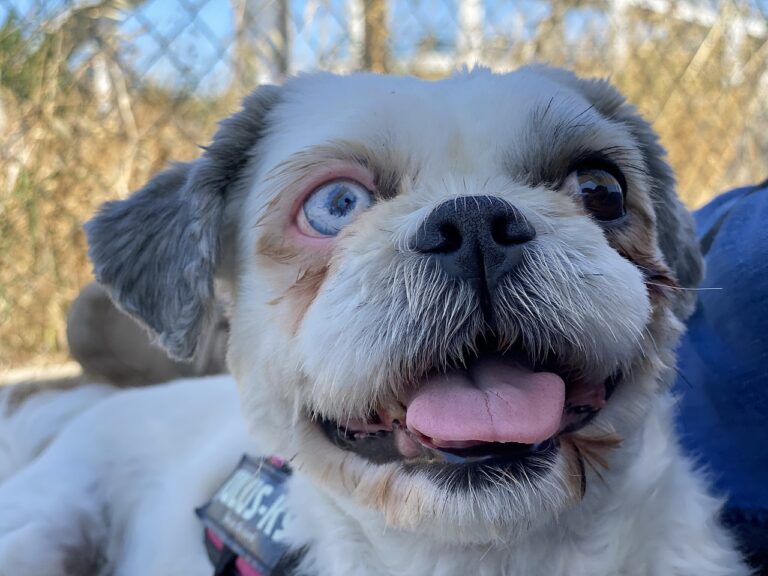
Discover the top-rated resources for hip dysplasia in dogs.

Discover our holistic approach to hip dysplasia in dogs. Natural remedies for optimal results.
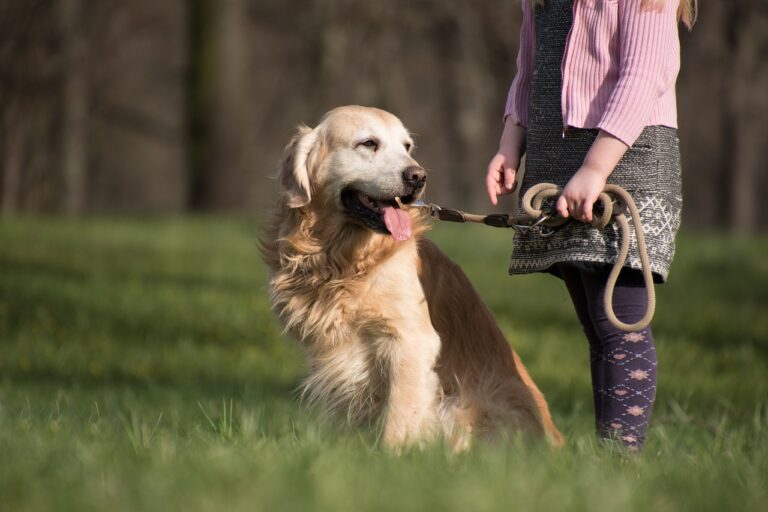
Discover the Benefits of CBD Oil for Hip Dysplasia in Dogs Today!
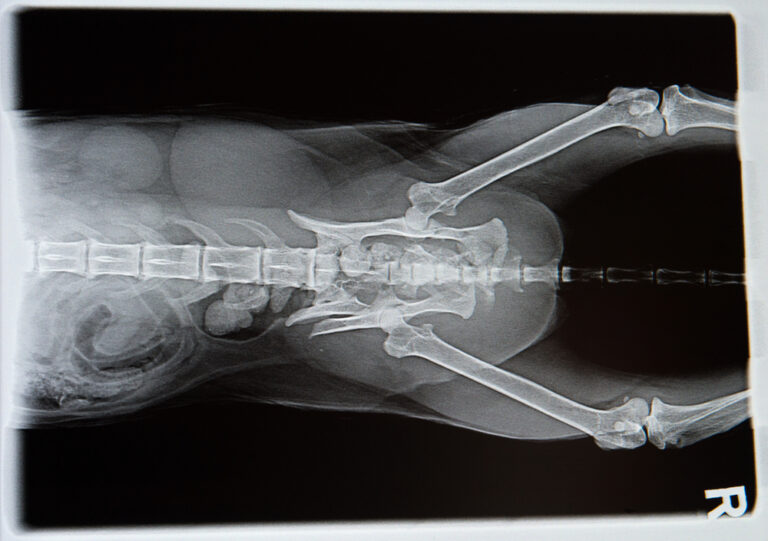
Discover the causes and treatments for hip dysplasia in dogs. Learn about x-ray diagnosis.

Learn about hip dysplasia in dogs & how the PDSA can help.
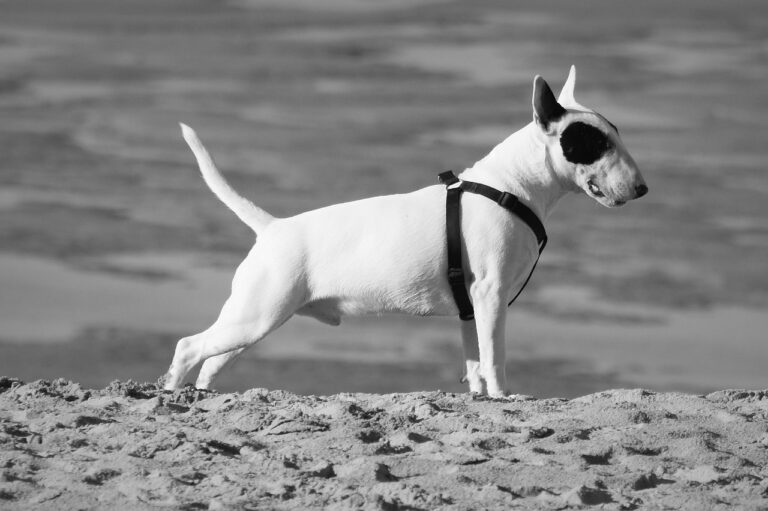
Discover the benefits of hydrotherapy for hip dysplasia in dogs.

Detect hip dysplasia early with our genetic test for dogs. Accurate results, fast turnaround...

Discover if fish oil helps hip dysplasia in dogs. Read our comprehensive guide now.

Discover treatment options and decision making for hip dysplasia in dogs.
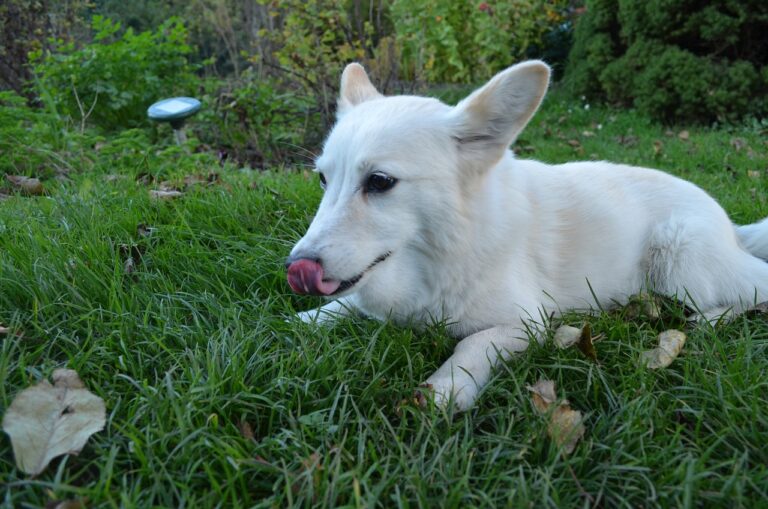
Learn about hip dysplasia in dogs scores and how to prevent it.

Learn the best way to prevent hip dysplasia in dogs. Expert tips and advice.
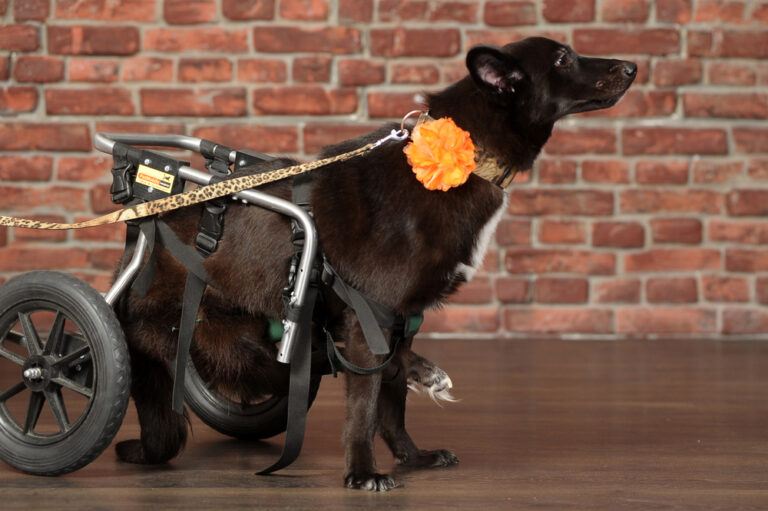
Discover the best images of hip dysplasia in dogs. Improve your knowledge today!

Learn how to test for hip dysplasia in dogs with these simple steps.
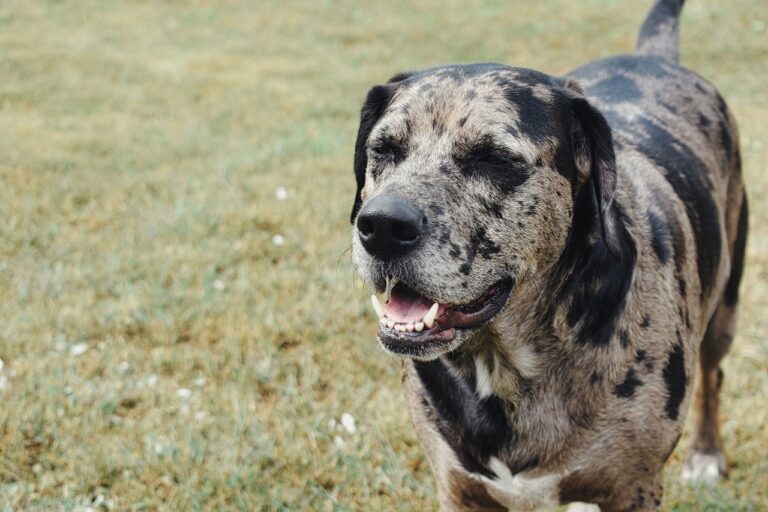
Learn about mild hip dysplasia in dogs and how to manage it.

Relieve your dog's hip dysplasia at home with our treatment options. Improve their mobility...